Imagine if we could treat a disease not by controlling its symptoms but by repairing the problem at its very root – the genes themselves. This is made possible through gene therapy, a process that works at the molecular level by modifying or replacing faulty genes responsible for disease. It represents one of the most exciting innovations in modern science, offering hope for conditions once thought untreatable.
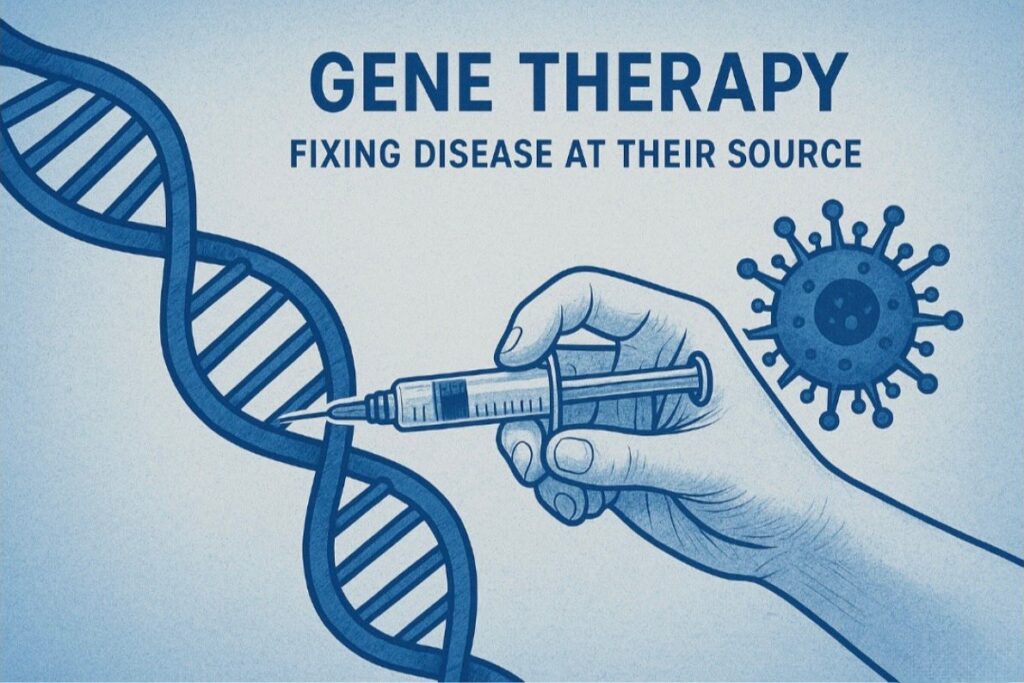
At its core, gene therapy is based on the understanding that many diseases are caused by mutations in DNA. These mutations disrupt normal functioning, resulting in abnormal proteins that lead to disorders such as hemophilia and muscular dystrophy. Instead of merely managing these conditions, gene therapy aims to cure them by inserting a healthy gene, silencing a harmful one, or directly editing DNA sequences to restore normal function.
To deliver these genetic instructions, molecular carriers called vectors are used. Modified viruses (stripped of their harmful properties) are most common because they naturally insert genetic material into human cells. Once inside, the introduced gene begins producing the correct protein, offering patients a chance at a healthier life. In some cases, non-viral vectors such as nanoparticles or plasmids are also used.
Applications of Gene Therapy
One of the most remarkable uses of gene therapy is in treating inherited genetic disorders passed from generation to generation.
For example, in spinal muscular atrophy (SMA), a fatal childhood disease, a single injection of Zolgensma can replace the defective gene, allowing children to regain muscle strength and live healthy lives. Similarly, patients with Leber’s congenital amaurosis, a rare form of blindness, have regained vision after receiving gene therapy in their retinal cells.
Gene therapy is not limited to rare disorders. It is also being explored in cancer and heart disease. In oncology, researchers are engineering immune cells to recognize and attack tumors more effectively (e.g., CAR-T cell therapy). In cardiovascular research, experimental therapies aim to repair damaged heart tissue by introducing genes that promote the growth of new blood vessels. While many of these treatments remain in clinical trials, the results so far are encouraging.
Challenges in Gene Therapy
Despite its promise, gene therapy comes with challenges. Safety remains a major concern, as inserting new genes into cellular DNA can sometimes trigger mutations or immune responses. Accessibility is another issue. Gene therapies are extremely costly, raising concerns about healthcare equity. Ethical questions also arise, particularly regarding genetic modifications that could affect future generations.
Moreover, while single-gene disorders are relatively straightforward targets, many common diseases involve multiple genes and environmental influences, making them much harder to treat through gene therapy alone.
The Future of Gene Therapy
Recent advances, especially CRISPR-Cas9, have revolutionized gene therapy by making gene editing faster, more precise, and affordable. This technology is paving the way for new approaches that combine gene therapy with genome editing for more effective and targeted treatments. Scientists are even exploring the possibility of preventing genetic diseases before birth by correcting harmful mutations in embryos.
For patients and families facing conditions that once carried little hope, gene therapy represents more than science – it represents a lifeline. It shows how far medicine has come: from treating symptoms to rewriting the story of disease.
If the 20th century was defined by antibiotics and vaccines, the 21st century may be remembered as the era when humanity learned to heal by editing genes.
As this field progresses, public awareness, ethical regulation, and global collaboration will shape the future of gene therapy. The promise is enormous: a world where children are no longer born with genetic disorders, where cancer can be cured at the genetic level, and where medicine becomes not just reactive, but corrective. Gene therapy stands as a shining example of science’s ability to turn imagination into reality.
- All Post
- Case Reports
- Clinical Insights
- Doctor’s Advice
- From the Frontlines
- Future of Care
- Global Health Watch
- Healthcare Heroes
- Healthcare Policy
- Healthy Living
- Medical Innovations
- MedTech Spotlight
- Mind Matters
- Myth vs Medicine
- Patient Stories
- Prevention First
- Public Health Pulse
- Social Health Stories
- Telehealth Trends
- The SJ Perspective
- Voices in Healthcare
- Women's Health & Wellness
- Back
- Infertility & Reproductive Health